Creating a comfortable, energy-efficient living environment requires thoughtful structural planning, modern building materials, and effective thermal protection across every living area. Many homeowners focus on cosmetic upgrades while overlooking the invisible thermal barrier that regulates indoor temperatures and controls utility expenses year-round. A well-insulated structure acts as a thermal shield, keeping warmth inside during frigid winters and repelling oppressive summer heat effectively. Beyond temperature regulation, adequate thermal barriers improve indoor air quality, suppress intrusive external noise, and protect structural components from moisture damage. Understanding the far-reaching benefits of high-performance thermal barriers reveals why upgrading your insulation remains one of the smartest residential investments available today.
Maximizing Energy Efficiency and Thermal Retention
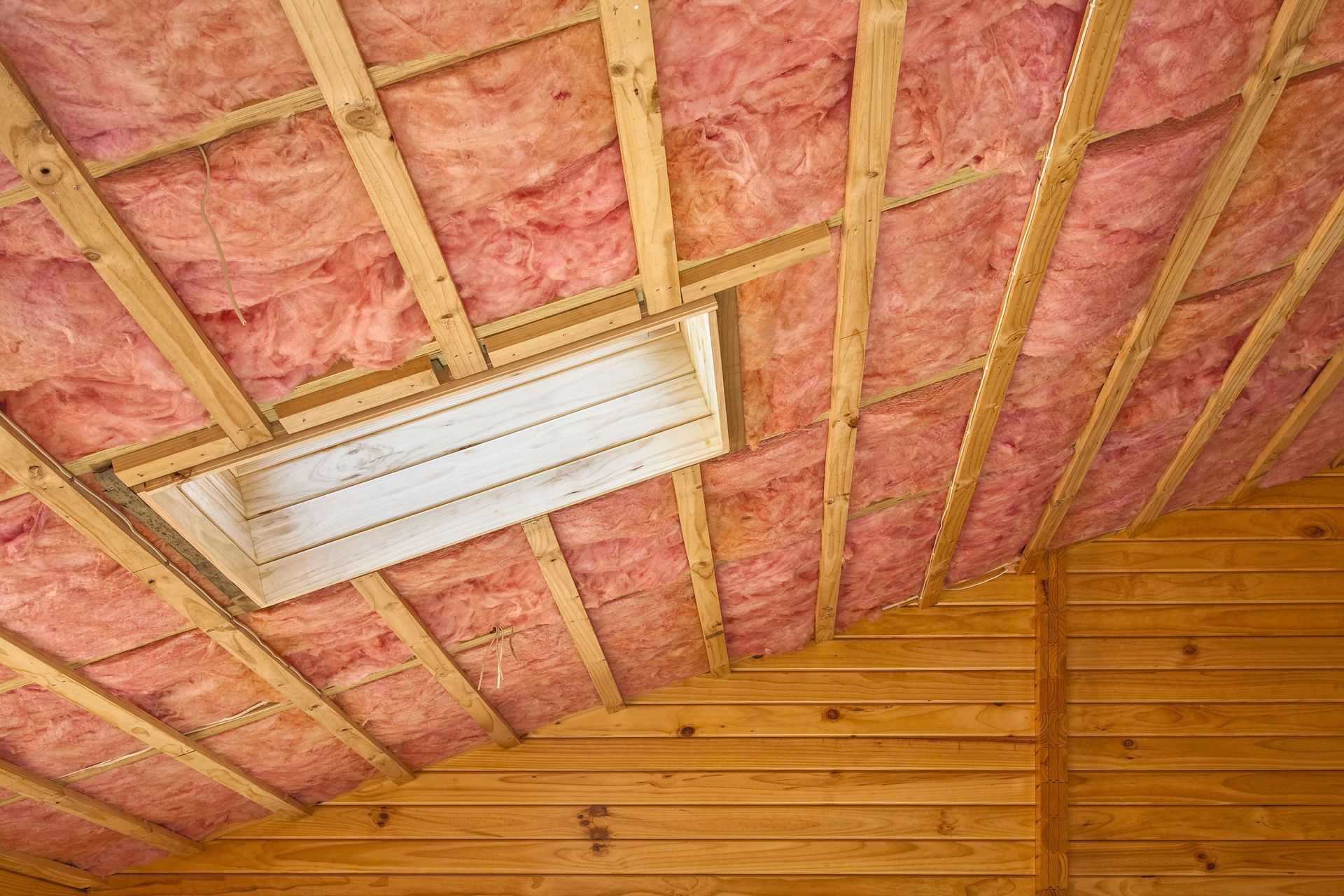
Optimizing home energy usage depends heavily on maintaining consistent climate control without forcing heating and cooling systems to work continuously. According to Energy Star, 50% to 70% of a typical American home's energy consumption is attributed to heating and cooling, highlighting the importance of adequate insulation to prevent energy waste. Thermal barriers slow conductive heat transfer through exterior walls, attics, and subfloors, allowing HVAC systems to maintain target temperatures effortlessly. Minimizing thermal leakage prevents conditioned air from escaping through unsealed ceiling joints or exterior wall cavities. Investing in adequate thermal barriers drastically reduces monthly electricity expenses, lowers overall carbon footprints, and delivers long-term financial savings for homeowners.
Enhancing Year-Round Indoor Thermal Comfort
Achieving a truly comfortable home environment means eliminating annoying drafts, cold wall surfaces, and hot spots across different rooms. Poorly protected living spaces often experience drastic temperature fluctuations between floors, forcing occupants to constantly adjust thermostats or rely on portable space heaters. Quality insulation creates a continuous thermal buffer that stabilizes interior air temperatures regardless of severe outdoor weather conditions. Balanced indoor climates foster healthier living spaces where families relax without experiencing sudden chill drafts during winter blizzards or oppressive humidity during summer heatwaves. Uniform thermal retention ensures every square foot of your floor plan remains usable, comfortable, and inviting throughout changing seasons.
Suppressing Intrusive Sound Transmission From Outside
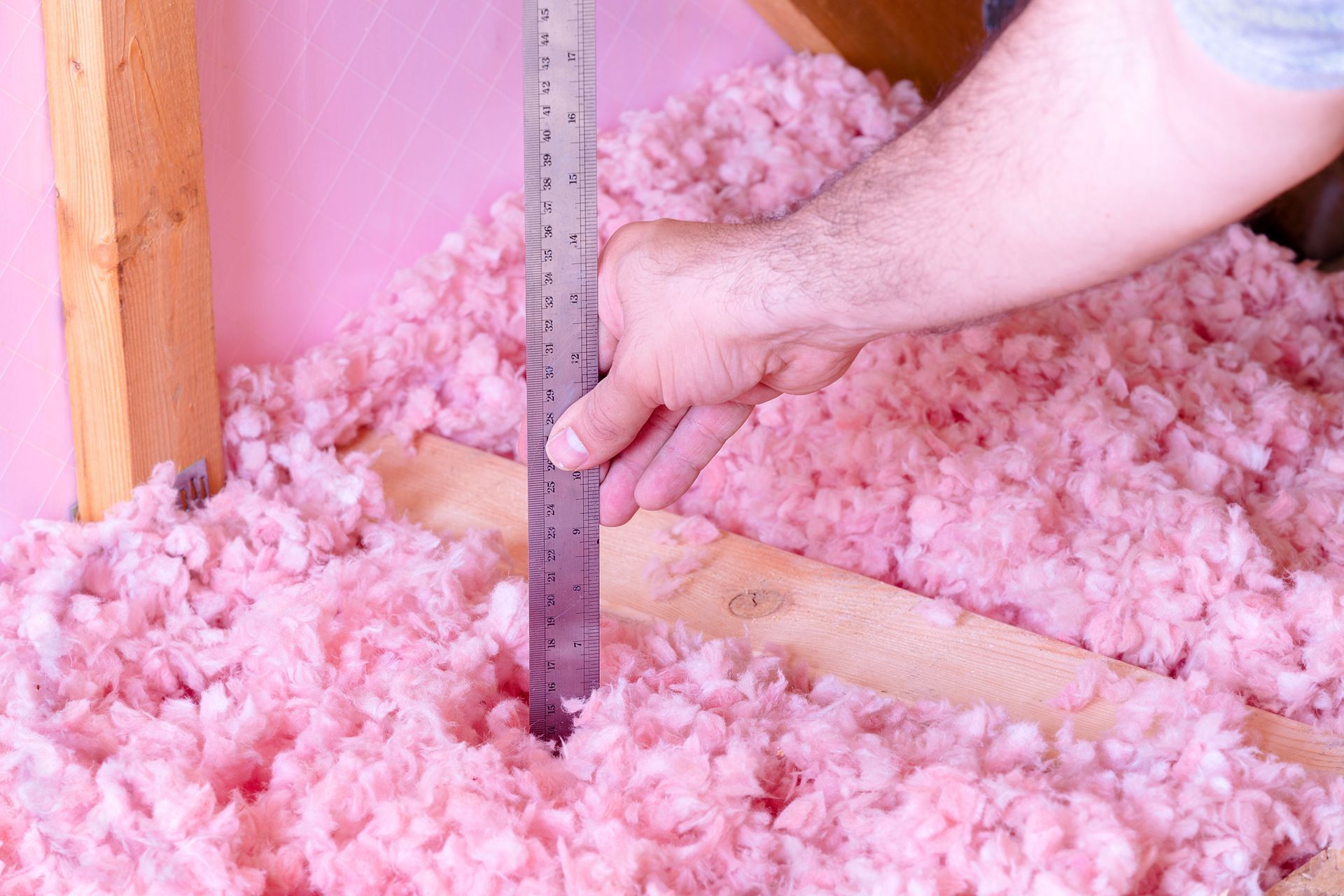
Noise pollution from busy highways, barking neighborhood dogs, lawn mowers, and passing aircraft easily penetrates poorly constructed exterior walls. Dense insulating materials like dense-pack cellulose, mineral wool, and acoustic fiberglass absorb airborne sound vibrations, turning noisy outdoor environments into peaceful indoor sanctuaries. Installing adequate insulation within interior wall cavities also reduces sound transfer between bedrooms, home offices, and living rooms, enhancing personal privacy within busy households. Suppressing unwanted acoustic disruptions fosters a calmer domestic atmosphere where remote workers concentrate effectively, and family members enjoy restful sleep. Sound dampening represents a valuable secondary benefit that elevates overall quality of life.
Preventing Moisture Accumulation and Mold Growth
Controlling humidity levels inside structural cavities is essential for protecting wall framing, roof decking, and ceiling drywall from rot. When warm, humid indoor air contacts cold, uninsulated exterior surfaces, vapor condenses into water droplets that nourish destructive mold spores and wood rot. Applying modern spray foam or vapor-retardant insulation seals air leaks, preventing humid air from reaching cold structural components during freezing weather cycles. Inhibiting condensation protects structural timber framing from fungal decay, subterranean insect infestations, and costly structural repairs. Effective moisture control preserves structural integrity while keeping indoor air clean, healthy, and free from airborne allergic mold spores.
Extending Heating and Cooling System Lifespans
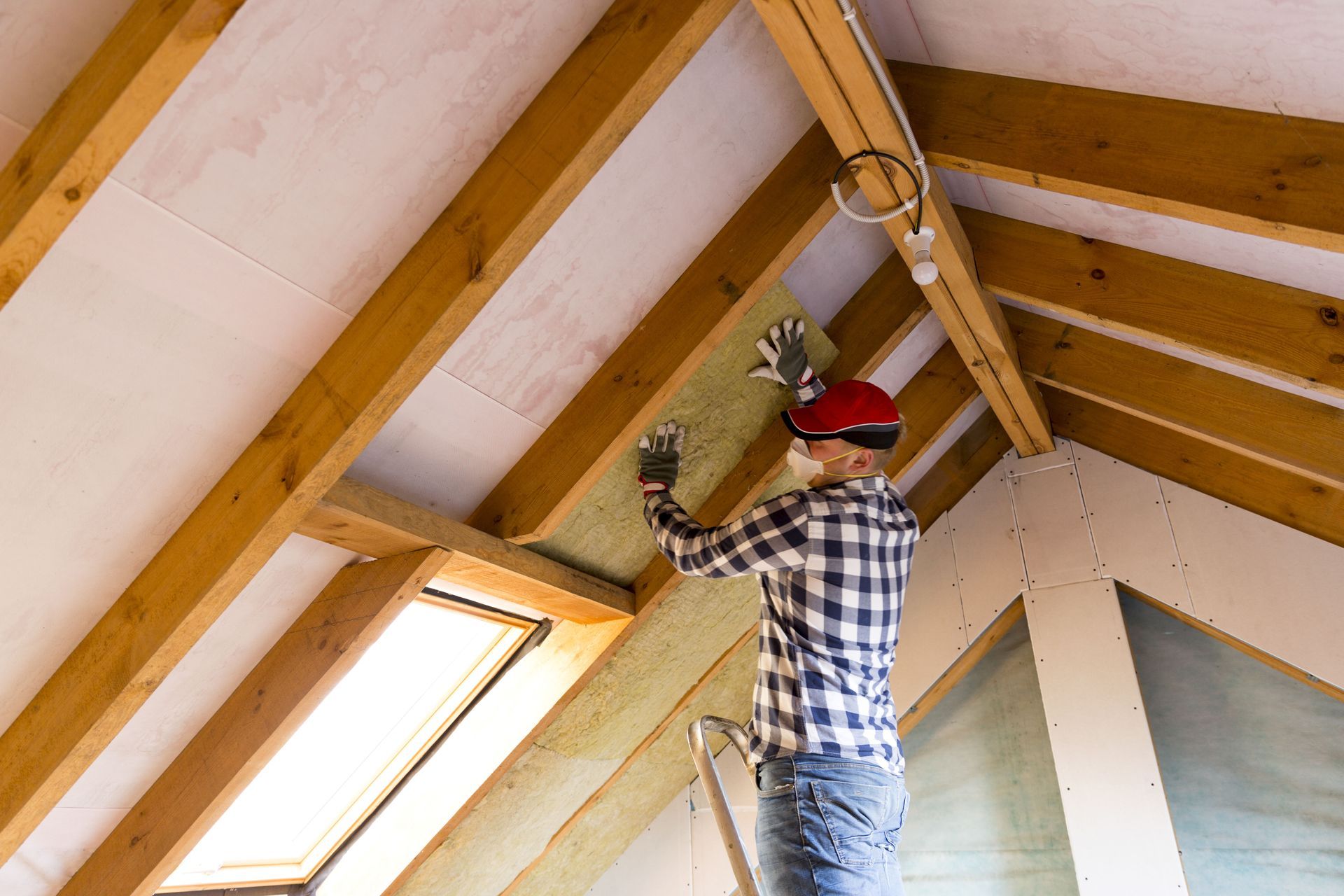
Overworking residential HVAC equipment accelerates mechanical wear, leading to frequent system breakdowns, expensive service calls, and premature equipment replacement. When uninsulated attics allow thermal energy to bleed out rapidly, furnaces and heat pumps cycle constantly to keep up with thermostat demands. High-grade insulation lightens operational workloads by trapping conditioned air where it belongs, allowing climate units to rest between short heating cycles. Reducing mechanical strain extends compressor lifespans, protects heat exchangers, and preserves ductwork integrity across many years of service. Proper thermal protection safeguards your expensive HVAC machinery, minimizing emergency repairs and maximizing long-term operational efficiency.
Reducing Carbon Footprints Through Lower Energy Consumption
Minimizing residential environmental impacts requires actionable household choices that lower overall fossil fuel and electricity consumption daily. Generating electricity and burning natural gas for residential heating emits substantial volumes of greenhouse gases into the atmosphere every year. Installing eco-friendly insulation composed of recycled glass, slag, or natural cellulose fibers sharply reduces the total kilowatt-hours needed to maintain comfortable living quarters. Lower energy demands decrease reliance on regional power grids, supporting broader municipal sustainability goals and environmental conservation initiatives. Upgrading thermal efficiency represents an impactful personal choice that protects local ecosystems while fostering a cleaner, greener future for upcoming generations.
Increasing Home Resale Value and Market Appeal
Improving energy efficiency directly enhances property valuations, making homes significantly more attractive to prospective buyers in competitive real estate markets. Modern homebuyers prioritize energy-conscious properties featuring low monthly utility overhead, advanced building envelopes, and verified thermal performance ratings. Highlighting upgraded attic insulation, spray-foam rim joists, and insulated wall cavities during property listings instills buyer confidence and validates asking prices. Energy-efficient homes sell faster because buyers appreciate the immediate comfort, sound dampening, and utility cost reductions provided by superior thermal envelope design. Investing in structural energy efficiency transforms basic maintenance into a lucrative selling point.
Mitigating Dangerous Roof Ice Dam Formation
Experiencing heavy winter snowfall combined with poorly insulated attic spaces creates prime conditions for destructive ice dam formation along roof eaves. Escaping interior heat warms the underside of roof decking, melting lower snow layers that flow down toward colder eave overhangs and freeze solid. Accumulating ice dams block proper drainage, forcing backed-up meltwater beneath shingle layers where it rots sub-roofing plywood and drips into interior ceilings. Proper insulation paired with adequate attic ventilation prevents roof decking from heating up, keeping snow layers frozen uniformly across the entire roof plane. Stopping ice dams protects gutters, shingles, and interior ceilings.
Improving Overall Indoor Air Quality Standards
Breathing clean, dust-free indoor air requires sealing unconditioned crawlspaces, basements, and attic spaces from primary living quarters. Unsealed building cavities allow dust, pollen, pest droppings, and outdoor pollutants to enter indoor air streams through uninsulated floor cracks and wall penetrations. Modern spray foam and dense insulation act as physical air barriers that block exterior contaminants from infiltrating domestic living environments. Cleaner indoor air reduces respiratory irritation, seasonal allergy flare-ups, and asthma symptoms for sensitive family members living inside the home. Establishing tight air seals around foundation walls elevates indoor air quality, ensuring your family breathes clean, healthy air every single day.
Safeguarding Subterranean Plumbing Lines From Freezing
Exposing water pipes to sub-zero winter temperatures risks catastrophic pipe bursts, localized indoor flooding, and thousands of dollars in water damage. Uninsulated crawlspaces, basements, and exterior wall cavities allow freezing winds to chill copper and PEX plumbing lines rapidly during winter cold snaps. Applying thick insulation around foundation walls and vulnerable plumbing routes traps ambient geothermal heat, keeping water pipes safely above freezing thresholds without electric heat tape. Preventing frozen water lines protects baseline plumbing integrity, averts emergency plumbing repairs, and ensures uninterrupted access to running water during harsh winter storms. Thermal protection secures essential home infrastructure through severe weather.
Upgrading your home’s thermal envelope represents a foundational improvement that delivers exceptional energy savings, enhanced indoor comfort, and lasting structural protection. Installing high-performance insulation lowers monthly utility bills, reduces mechanical strain on HVAC systems, suppresses intrusive noise, and prevents costly moisture damage across every room. Protecting living spaces against extreme weather helps to create a healthier indoor environment. This significantly boosts long-term property resale value for the future. Whether you are building a new custom home or retrofitting an older residential property, prioritizing comprehensive thermal barriers ensures lasting efficiency and security. Investing in superior thermal protection today guarantees a warmer winter, cooler summer, and a comfortable home environment for years to come. Are you seeking expert-level help with insulating your home in San Diego County, CA? Contact the Attic Professional today for a free inspection!