By Bryan Luu
October 9, 2026
Homeowners face distinct challenges maintaining optimal indoor climates while managing rising utility bills. Attics and walls harbor hidden gaps, allowing conditioned air to escape into the atmosphere. This steady loss forces heating and cooling systems to run without pause, accelerating wear on expensive equipment. Addressing these hidden leaks requires a comprehensive approach. Finding the proper solution means evaluating options that provide a seamless thermal barrier. Many older and even recently constructed residences lack adequate defense, leaving occupants vulnerable to extreme weather variations.
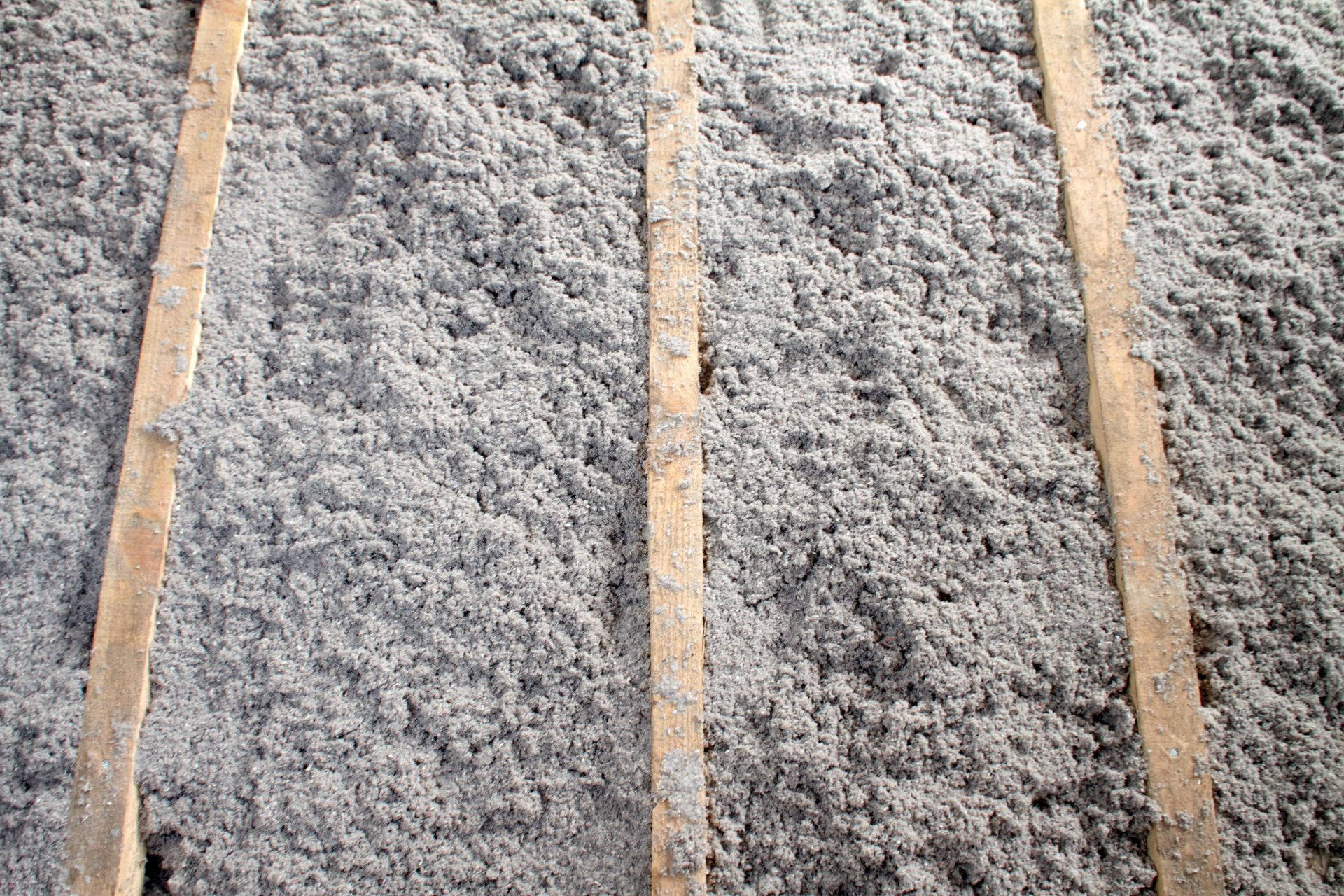
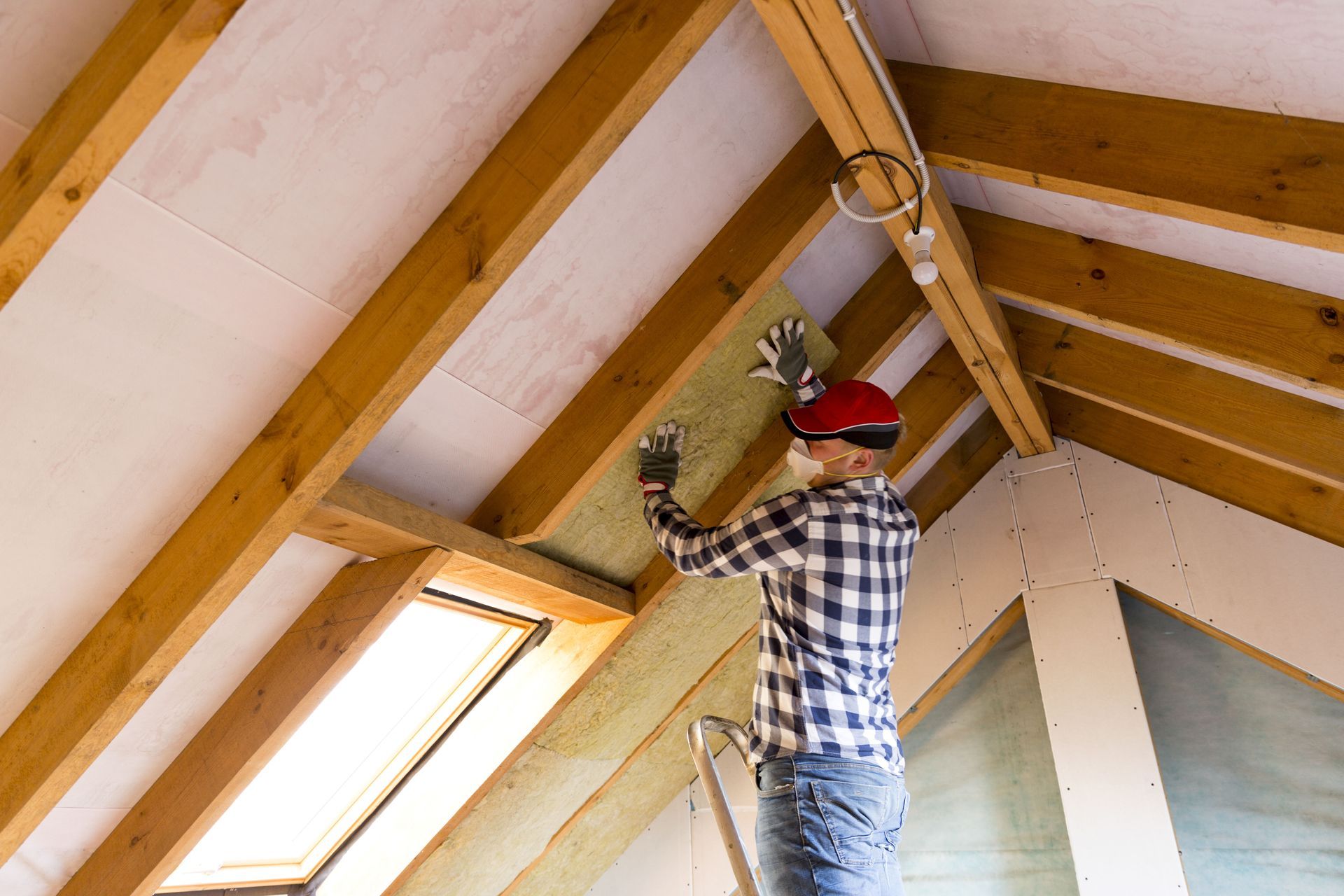
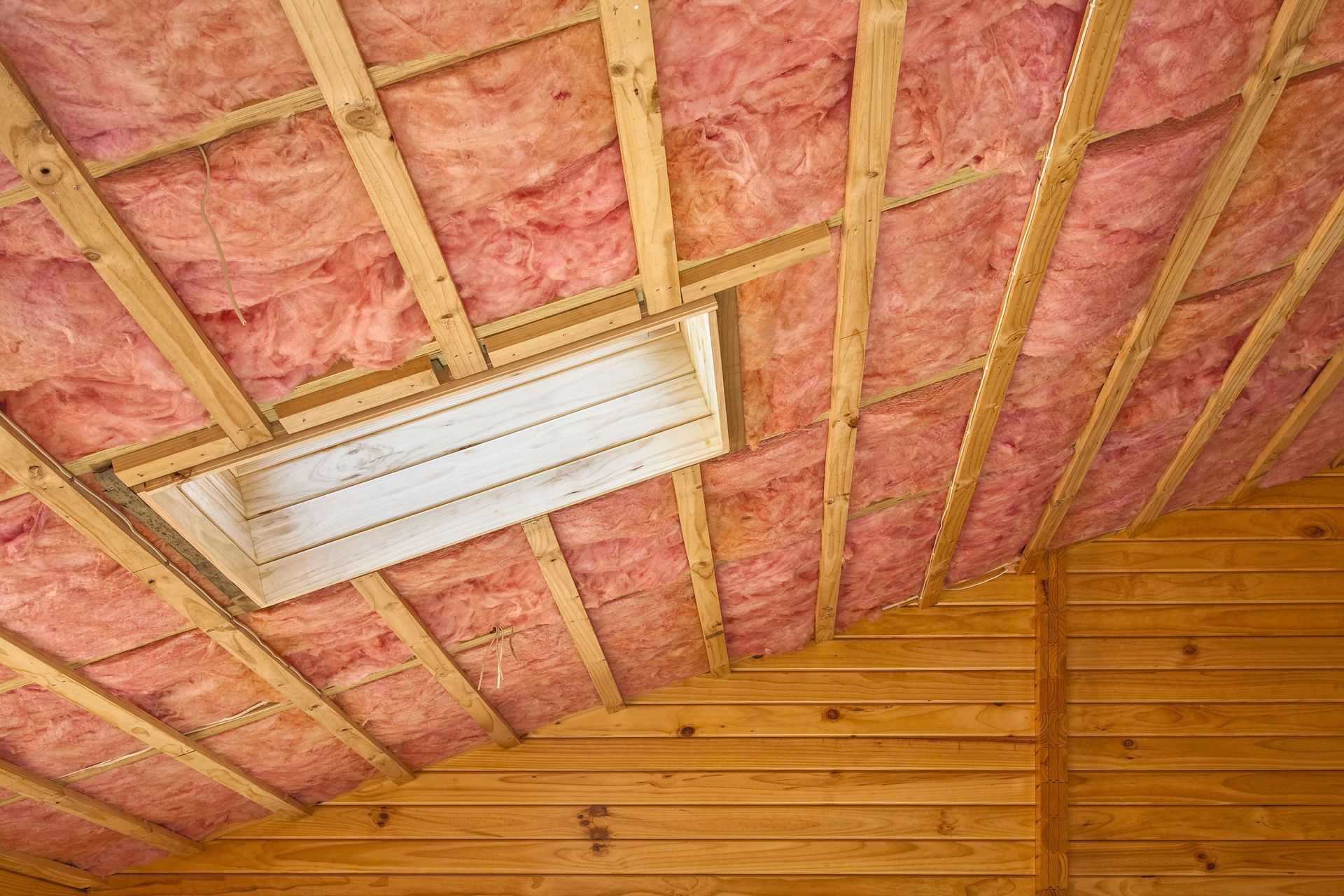
Adding new thermal protection represents a profound upgrade for any residence. Among the various methods available, blown in insulation emerges as a superior choice for achieving complete coverage. Unlike rigid batts that leave spaces around pipes and framing, this loose material conforms to any shape, creating a dense blanket of protection. It fills tight corners and irregular cavities with ease. Opting for this upgrade transforms a drafty house into a stable, comfortable sanctuary.
Boosting Energy Efficiency With Advanced Materials
Older dwellings struggle to retain heat during winter and repel heat during summer months. The primary culprit remains poor thermal resistance within the attic space. Without proper defense, thermal transfer happens nonstop. Air flows out of conditioned living spaces, leading to massive energy waste. Homeowners attempt to combat this by adjusting thermostats, which spikes monthly expenses. A structural intervention becomes necessary to halt this expensive cycle.
Implementing blown in insulation provides an immediate boost to a dwelling's thermal resistance. The specialized installation process forces tiny particles of fiberglass or cellulose into every available crevice. This thorough application prevents air infiltration, sealing gaps that traditional methods miss. As a result, the HVAC system requires less power to maintain preferred temperatures. Reduced operation time translates into lower monthly utility bills for the appreciative property owner.
According to the Insulation Institute, 89% of single-family homes are under-insulated, leading to decreased comfort and increased energy costs. This staggering reality highlights the widespread need for better home defense. Residents remain unaware of the invisible energy drain occurring above their ceilings. Identifying this deficiency remains the initial step toward achieving a high-performing residence. Upgrading the thermal barrier provides a direct remedy to this common household flaw.
Modern loose-fill materials boast impressive resistance ratings, capable of stopping severe temperature fluctuations. These advanced products resist settling over time, ensuring the thermal barrier remains intact for decades. A stable barrier guarantees consistent energy performance each year. Property owners gain peace of mind knowing the residence operates at peak efficiency. Long-term energy reduction makes this specific upgrade a sensible financial decision.
Enhancing Indoor Comfort Through Complete Coverage
Beyond the obvious financial implications, thermal barriers dictate the physical comfort of a living space. Rooms with poor thermal boundaries suffer from distinct cold spots and drafts. Occupants might feel a chill near exterior walls or experience stifling heat near the ceiling. These temperature inconsistencies make living spaces unpleasant. Achieving a uniform temperature profile requires eliminating every point of thermal bridging.
The primary advantage of blown in insulation lies in its ability to envelop an entire space without seams. Installers use specialized equipment to distribute the material with uniform density across expansive attics and within tight wall cavities. The loose fragments settle around electrical wires, plumbing pipes, and crossbeams. This creates a monolithic layer of protection. There are no exposed joints or uncovered edges to invite unwanted drafts.
Consistent temperatures transform the atmosphere within a residence. Families enjoy every room without needing extra blankets or localized fans. The HVAC system pushes conditioned air into the living area, and the dense barrier traps that air inside. This dynamic creates a stable internal climate, impervious to exterior weather events. Occupants experience a higher quality of life in a well-regulated environment.
Sound dampening represents an additional benefit of comprehensive coverage. The dense nature of loose-fill materials absorbs sound waves, preventing noise transmission between rooms or from the outside. Exterior noises like traffic or heavy rain become muffled, creating a serene indoor acoustic environment. A quieter home contributes to reduced stress and better sleep for the inhabitants. This acoustic advantage elevates the overall comfort level.
Promoting Environmental Sustainability via Recycled Components
Environmental impact remains a crucial consideration for modern construction and renovation projects. Traditional building practices generate significant waste and rely on resource-heavy manufacturing processes. Homeowners and contractors now seek alternatives that minimize ecological footprints. Reducing domestic energy consumption stands out as a primary goal for eco-conscious individuals. An efficient home draws less power from the electrical grid, reducing overall carbon emissions.
Using blown in insulation aligns with sustainable building practices due to its material composition. Loose-fill products consist of recycled components. Cellulose options incorporate post-consumer paper products, giving new life to discarded newspapers and cardboard. Fiberglass variants also utilize high percentages of recycled glass. Choosing these specific materials diverts vast quantities of waste from local landfills. This circular approach to manufacturing reduces the need for raw material extraction.
The production of loose-fill materials requires minimal energy compared to the manufacturing of rigid foam boards. Factories processing recycled paper or glass consume fewer fossil fuels during the creation phase. This low embodied energy makes the product an environmentally responsible choice from the beginning. The positive ecological impact continues long after the installation phase concludes. Every single watt of saved heating power represents a step toward global sustainability.
Many modern cellulose products feature natural fire retardants. Manufacturers treat the recycled paper with borate compounds to resist flames and deter pests. These non-toxic additives ensure safety without introducing harmful chemicals into the living space. Occupants breathe clean indoor air without exposure to volatile organic compounds. A safe, green product benefits both the local ecosystem and the immediate household environment.
Increasing Property Value by Strategic Upgrades
Prospective real estate buyers prioritize homes featuring modern updates and structural integrity. A dwelling with outdated systems poses a financial risk to new owners. Savvy buyers inspect attics and basements to gauge the overall health of the building. Finding adequate thermal protection signals that the previous owner maintained the property well. It becomes a compelling selling point during real estate transactions.
Investing in blown in insulation yields a robust return on investment for the property owner. The initial installation cost remains low compared to major structural renovations or cosmetic overhauls. The impact on the total property value is substantial. Appraisers recognize the tangible benefits of upgraded thermal boundaries during evaluations. Energy-efficient homes often command premium market prices and attract eager buyers in shorter timeframes than drafty counterparts.
Energy performance certificates and professional home inspections highlight the true quality of the building. A home with premium thermal defense receives high marks from certified structural inspectors. These positive reports give buyers complete, unwavering confidence in their impending purchase. They know they will not inherit hidden problems or massive monthly utility bills. This baseline assurance facilitates smoother contract negotiations and firmer financial offers during the property closing process.
State and local municipalities offer tax incentives or rebate programs for energy-efficiency upgrades. Property owners can leverage these programs to offset the initial installation expenses. This financial relief makes the upgrade attractive from an investment standpoint. The combination of immediate rebates, ongoing utility savings, and increased resale value is undeniable. The upgrade pays for itself over the lifespan of the building.
Choosing blown in insulation delivers unmatched benefits in energy performance, long-term sustainability, and overall property value. The dense, seamless coverage outperforms traditional batts, sealing hidden leaks with incredible precision. Occupants enjoy quieter, cozier rooms while property owners relish reduced energy expenses. As building standards evolve toward greener practices, this upgrade sets a solid foundation for the future. It remains a definitive mark of a well-maintained, high-performing home. Reach out to our team at Attic Professional to schedule your consultation. We look forward to upgrading your home with premium blown in insulation.