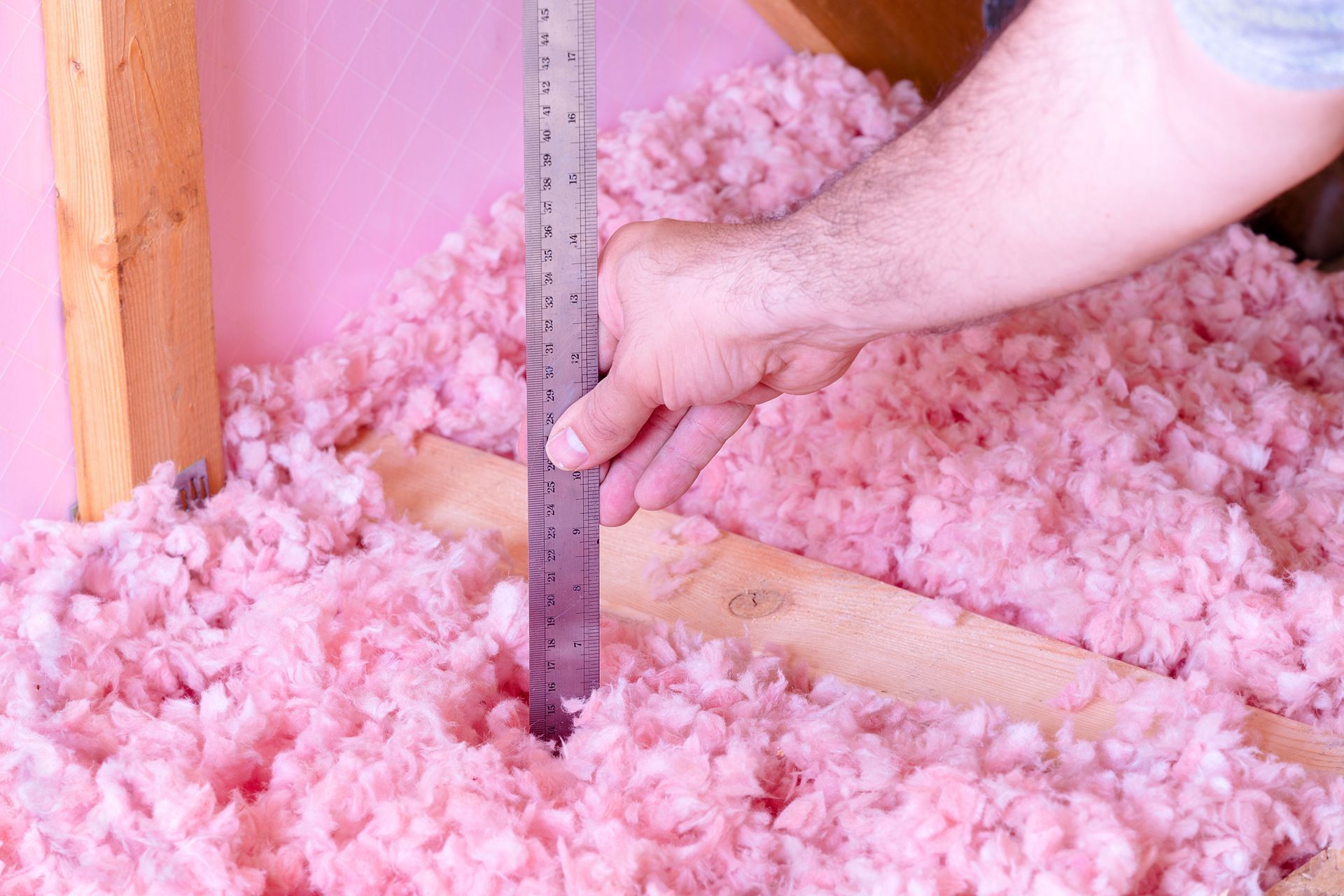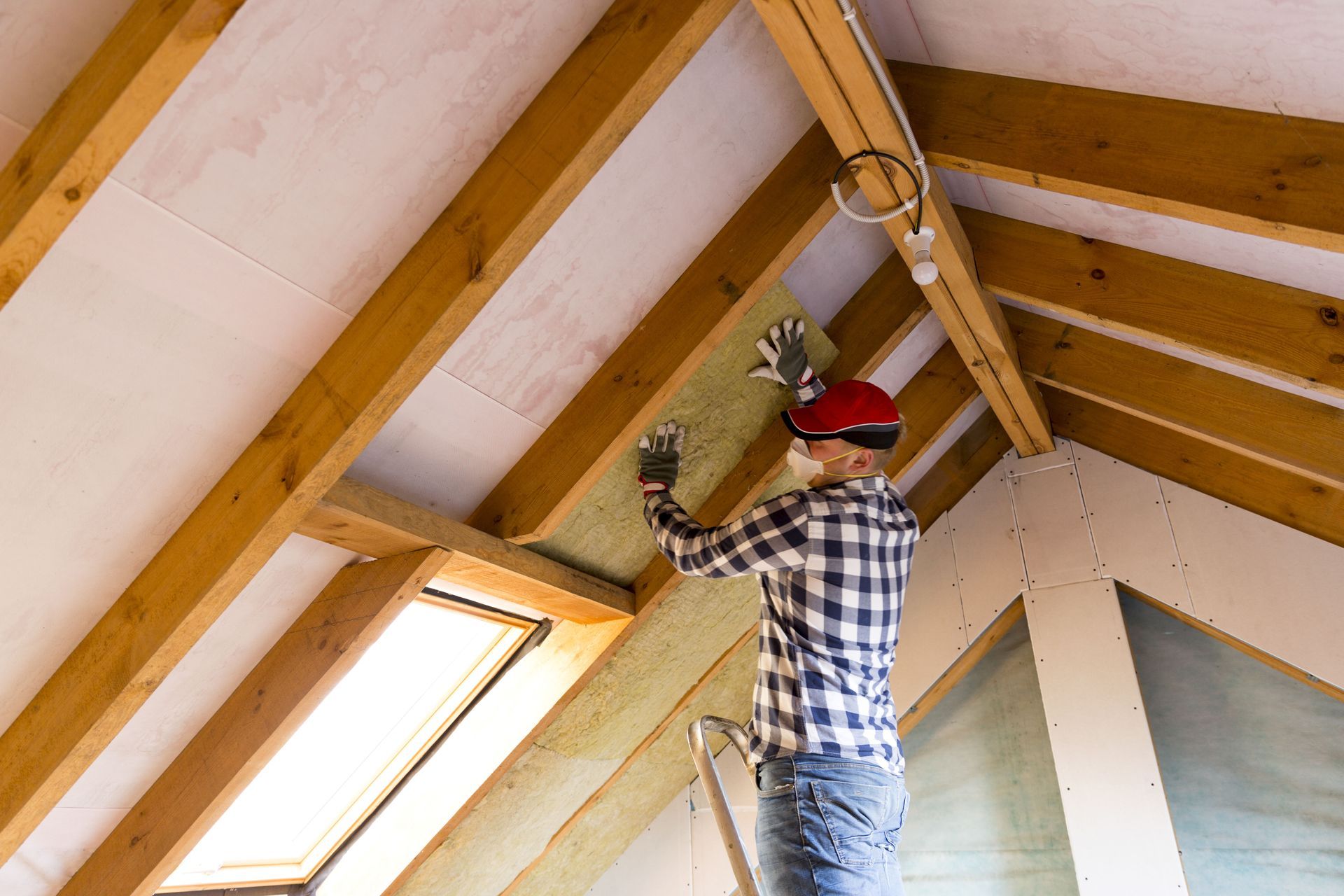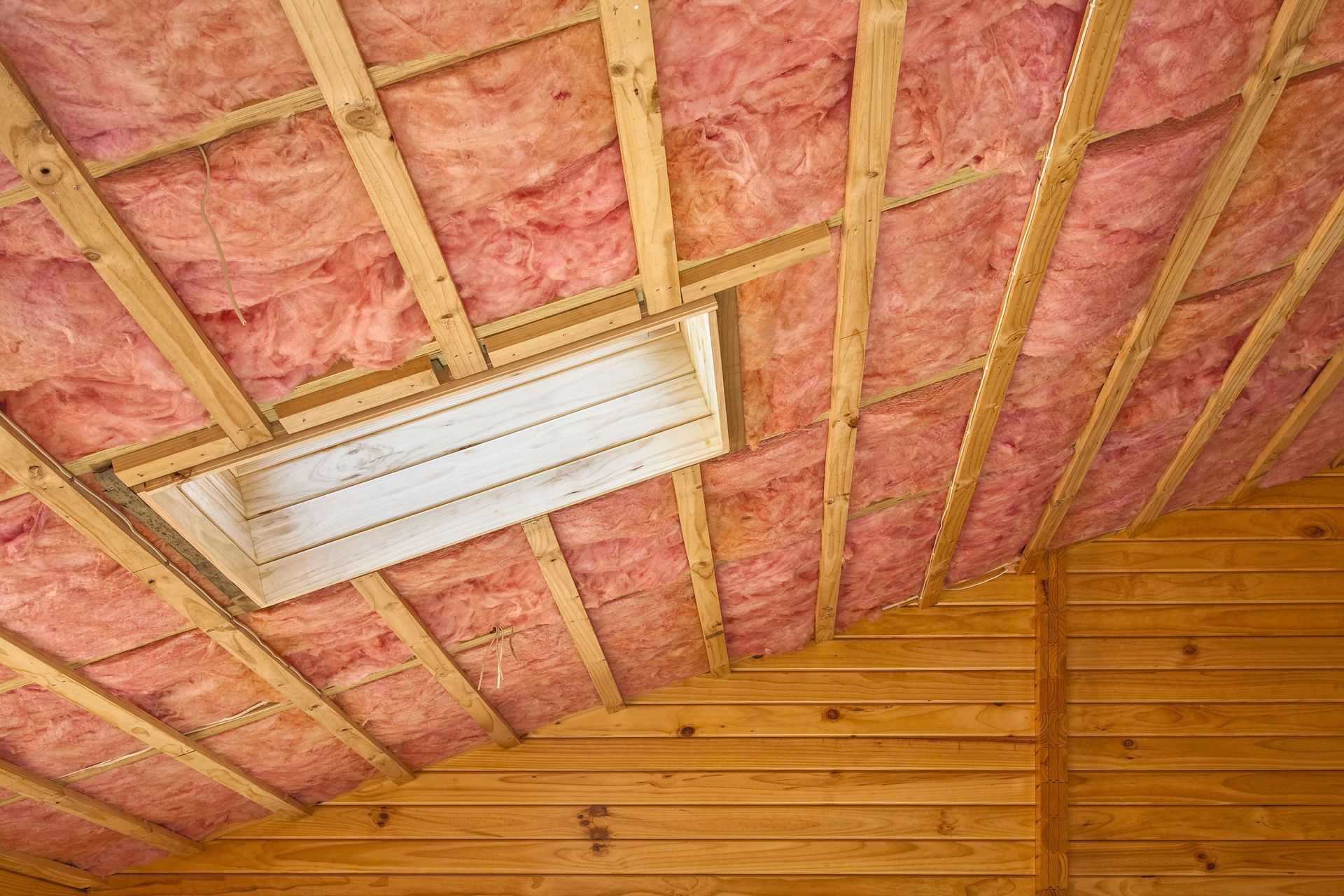
Attic insulation helps buildings maintain more consistent indoor temperatures by reducing heat transfer between the interior and outdoor environment. Over time, insulation can change due to age, moisture, air movement, and other factors that affect performance. This article explains how often attic insulation may need replacement, signs that updates may be needed, and how professional evaluations can help maintain indoor comfort. Because insulation is often located in less visible areas, changes may go unnoticed for long periods. Regular professional evaluations can help determine how well the insulation is performing and whether improvements are needed to support the building's long-term condition.
Understanding Insulation Lifespan Changes
The lifespan of insulation can vary based on the materials used, the condition of the attic space, and the environment around the building. While some insulation may continue performing for many years, its ability to support energy efficiency can decrease as it becomes older or affected by outside conditions. Many factors can influence when replacement may be needed. Moisture exposure, settling, damage, and changes in building conditions can all affect how well insulation performs. Regular evaluations can help identify concerns before they create larger issues that affect comfort or energy use.
The age of the insulation is one factor considered during an evaluation. Older materials may not provide the same level of performance they once did, especially if they have been affected by moisture or other problems. A professional can review the condition of the insulation and help determine whether replacement or improvements may be appropriate. The condition of the surrounding attic space can also influence how long insulation remains effective. Issues such as poor ventilation, changes in airflow, or environmental exposure may contribute to a decline in performance over time. Reviewing these conditions can help provide a more complete understanding of the insulation's current state.
Recognizing Signs Of Changing Conditions
Changes in indoor comfort may sometimes point to problems with attic insulation. Rooms that feel warmer in the summer or colder in the winter may indicate that the building is not maintaining temperatures as effectively as it should. Higher heating and cooling costs can also be a sign that insulation performance has changed. When insulation is no longer working effectively, heating and cooling systems may need to operate more often to maintain comfortable conditions. This can increase energy use over time.
Visible concerns in the attic area may also indicate that insulation requires attention. Moisture issues, uneven areas, or signs of deterioration can affect how well insulation supports the building. Seeking professional help allows these concerns to be reviewed carefully and addressed based on the condition of the space. Other changes may be less noticeable but still affect performance. Drafts, inconsistent temperatures between rooms, and increased strain on heating and cooling equipment may suggest that insulation is no longer providing the support the building needs. A professional evaluation can help determine whether these concerns are connected to insulation conditions or other factors.
Evaluating Replacement Timing Factors
There is no single replacement schedule that applies to every building. The right timing depends on factors such as insulation condition, age, environmental exposure, and changes that have occurred within the structure. A professional assessment can provide a clearer understanding of whether replacement is needed. In many cases, attic insulation may last for decades when conditions remain stable. However, regular evaluations are useful because insulation performance can change before visible problems become obvious. Reviewing the condition of the insulation over time can help identify when updates may be beneficial.
According to HomeGuide, adding attic insulation can reduce heating and cooling costs by 10% to 20%, depending on the climate and current insulation levels. Improving insulation performance can help create a more efficient indoor environment while supporting more consistent temperatures throughout the year. The condition of existing materials plays an important role when determining whether improvements may provide meaningful benefits. The decision to replace insulation should be based on the overall condition of the space rather than a specific age alone. Some insulation may continue working effectively for many years, while other situations may require attention sooner due to environmental factors. Professional guidance can help determine the appropriate approach based on the building's specific needs.
Considering Factors That Affect Performance
Several conditions can impact how long insulation remains effective. Moisture is one of the most common concerns because damp materials may lose their ability to provide proper temperature control. Addressing moisture-related concerns early can help prevent further problems within the attic space. Air movement and changes in the building can also influence performance. Over time, renovations, repairs, and other structural changes may affect how insulation functions. Professional evaluations can help determine whether existing materials continue to meet the needs of the space.
Environmental conditions can also affect replacement timing. Buildings located in areas with changing weather patterns may experience different insulation challenges compared with structures in more moderate climates. Understanding these factors helps create a clearer picture of when insulation updates may be needed. The overall condition of the building also matters when reviewing insulation performance. Changes to roofing systems, ventilation, or other parts of the structure may impact how insulation works. A complete evaluation can help identify whether multiple factors are affecting indoor comfort and energy efficiency.
Maintaining Long-Term Indoor Comfort
Maintaining effective attic insulation can contribute to a more comfortable indoor environment throughout the year. Proper insulation helps reduce temperature changes and may support more consistent heating and cooling performance. Keeping insulation conditions under review can help identify opportunities to improve overall building efficiency. Professional support can be valuable when evaluating insulation conditions because trained professionals can examine areas that may not be obvious during a standard inspection. Their assessment can help determine whether insulation should be replaced, adjusted, or monitored over time.
Replacing insulation at the right time can help maintain the performance of the building and support better energy management. Waiting too long after signs of decline appear may allow comfort issues and efficiency concerns to continue. A timely evaluation provides useful information for making informed decisions about future maintenance needs. Long-term insulation performance depends on ongoing attention to changing conditions. Buildings experience wear over time, and insulation is one part of the structure that may require evaluation as circumstances change. Professional recommendations can help property owners better understand their options and plan for future improvements.
Determining whether insulation needs replacement requires more than considering its age. A professional evaluation reviews factors such as current performance, visible conditions, and the attic environment. This helps identify whether replacement is needed and allows building owners to make informed decisions. Working with a qualified professional provides guidance based on the actual condition of the insulation rather than assumptions, supporting better comfort and efficiency over time.
The timing for replacing attic insulation depends on several factors, including age, condition, moisture exposure, and changes within the building. While insulation can last for many years, regular professional evaluations can help identify when replacement may be needed to maintain comfort and efficiency. Understanding the condition of the insulation in your attic can help support better decisions about your building's future needs. Working with Attic Professionals can provide professional guidance when evaluating attic insulation and determining the right next steps for improving indoor comfort and energy performance. Contact us today to learn more about our insulation services.