By Bryan Luu
April 3, 2025
Quick Answer
San Diego homeowners should consider upgrading attic insulation when the existing insulation is old, thin, compressed, dirty, rodent-damaged, moisture-damaged, or no longer helping the home stay comfortable. If your upstairs rooms are hot, your energy bills are increasing, your AC runs longer than normal, or your attic has signs of rodent activity, an attic insulation upgrade may be needed.
In some homes, upgrading means adding new insulation. In other homes, the better solution may include attic insulation removal, attic cleaning, sanitation, rodent proofing, attic air sealing, and then new attic insulation installation.
Why This Blog Is Different From Our Attic Insulation Benefits Guide
Many homeowners want to know why attic insulation matters. We covered that in our guide on the benefits of attic insulation for San Diego homes, including comfort, energy efficiency, HVAC performance, indoor conditions, rodent protection, and attic retrofit value.
This guide answers a slightly different question:
How do you know when your current attic insulation needs to be upgraded, removed, or replaced?
That distinction matters. Some San Diego homes only need additional insulation. Others have old, contaminated, rodent-damaged, or poorly installed insulation that should be removed before new insulation is installed.
Why Attic Insulation Upgrades Matter for San Diego Homes
San Diego has a mild climate compared to many parts of the country, but attic performance still matters. Coastal homes in areas like La Jolla, Pacific Beach, Encinitas, Carlsbad, and Oceanside may deal with older construction, moisture concerns, ventilation issues, or aging insulation.
Inland homes in El Cajon, Santee, Lakeside, Poway, Escondido, Rancho Bernardo, and Spring Valley often experience stronger attic heat during warm months. When attic insulation is too thin, compressed, or damaged, heat can transfer more easily into the living space below.
That can make rooms uncomfortable, increase HVAC run time, and make your home feel harder to cool.
Upgrading attic insulation helps improve the thermal barrier between the attic and your living space. But the best solution depends on the condition of the existing attic. That is why a professional attic inspection is important before deciding whether to add insulation, remove old insulation, or complete a full attic retrofit.
How Do You Know If Your Attic Insulation Needs to Be Upgraded?
Your attic insulation may need to be upgraded if it is no longer providing proper coverage, looks thin or uneven, has been damaged by rodents, or has become dirty, compressed, or contaminated.
Common signs include:
- Hot upstairs rooms
- High energy bills
- AC running longer than usual
- Thin insulation coverage
- Exposed ceiling joists
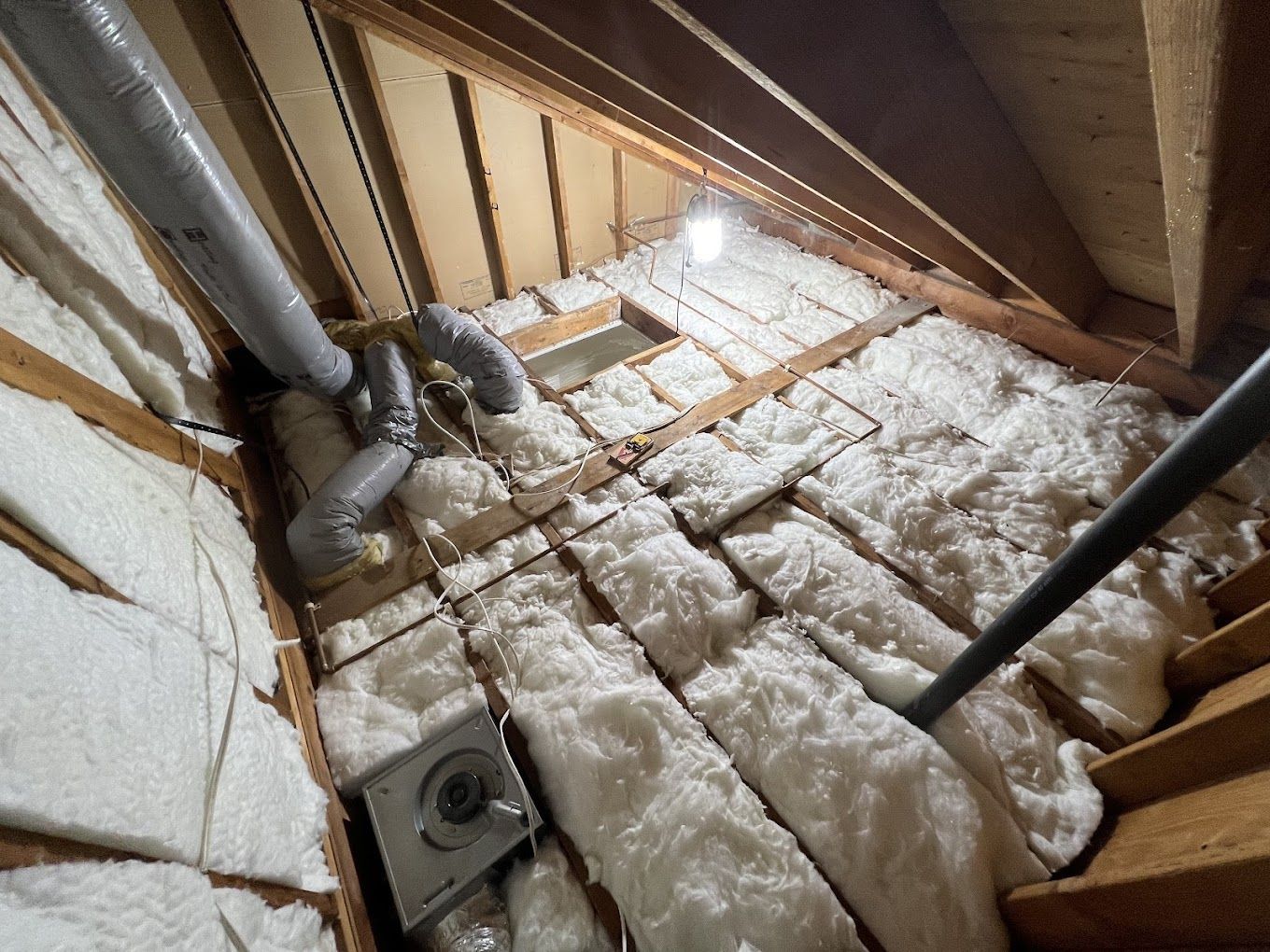
- Compressed or flattened insulation
- Dirty, gray, or discolored insulation
- Rodent droppings or nesting materials
- Strong attic odors
- Moisture staining
- Insulation disturbed by past attic work
- Uneven temperatures from room to room
- An attic that has not been inspected in years
If you notice any of these signs, upgrading your attic insulation may help improve comfort and attic performance. However, if the insulation is contaminated or damaged, removal may be recommended before new insulation is installed.
Can You Add New Insulation Over Old Insulation?
Sometimes, yes. New attic insulation can sometimes be added over old insulation if the existing material is clean, dry, evenly distributed, and not contaminated.
However, adding insulation over old insulation is not always the right move. If the existing insulation has rodent droppings, urine, nesting materials, moisture damage, strong odors, heavy dust, or debris, covering it with new insulation can trap the problem underneath.
Before adding new insulation, the attic should be inspected to determine whether the existing insulation is still acceptable or whether old insulation removal is the better option.
When Should Old Attic Insulation Be Removed Instead of Covered?
Old attic insulation should be considered for removal when it is contaminated, damaged, heavily soiled, moisture-affected, or no longer performing properly.
Insulation removal may be recommended if your attic has:
- Rodent droppings
- Rodent urine odor
- Nesting materials
- Dead pests
- Moisture damage
- Mold-like staining
- Strong odors
- Heavy dust buildup
- Construction debris
- Insulation that is compressed or deteriorating
- Insulation that has been disturbed or displaced
Removing damaged or contaminated insulation helps create a cleaner attic before new insulation is installed. It also gives the attic team a better opportunity to inspect the attic floor, identify rodent entry points, and prepare the space properly.
Why Rodent-Damaged Insulation Should Not Be Ignored
Rodents are a common attic issue in San Diego County. Rats and mice can enter through small gaps around rooflines, vents, utility penetrations, construction openings, damaged screens, and exterior gaps.
Once inside the attic, rodents can tunnel through insulation, compress it, use it for nesting, and contaminate it with droppings and urine. This can create odors, reduce attic cleanliness, and damage the insulation you rely on for comfort.
If rodents have been active in your attic, new insulation should not be installed until the rodent issue is addressed. The proper process usually includes identifying entry points, removing contaminated insulation if needed, cleaning and sanitizing affected areas, rodent proofing the attic, and then installing new insulation.
Why Are My Upstairs Rooms Still Hot?
Hot upstairs rooms are one of the most common reasons homeowners look into attic insulation upgrades. If bedrooms, bonus rooms, or upstairs hallways feel warmer than the rest of the home, your attic may be allowing too much heat transfer into the living space.
This is especially common when insulation is:
- Too thin
- Uneven
- Compressed
- Missing in certain areas
- Disturbed by past work
- Damaged by rodents
- Installed over air leaks
Attic insulation is not the only possible cause of hot upstairs rooms. Duct issues, air leaks, sun exposure, ventilation, and HVAC performance can also contribute. But the attic is one of the first places to inspect when upstairs comfort problems continue.
Does Upgrading Attic Insulation Help With Energy Efficiency?
Yes, upgrading attic insulation can help improve home energy efficiency by reducing unwanted heat transfer between the attic and the living space.
When insulation is old, thin, or uneven, your heating and cooling system may need to work harder to keep the home comfortable. Proper insulation can help reduce the amount of heat entering the home during warm weather and reduce heat loss during cooler periods.
For many San Diego homeowners, attic insulation upgrades are especially helpful when combined with attic air sealing. Air sealing helps close gaps where conditioned air may escape into the attic, allowing the insulation to perform more effectively.
Should Air Sealing Be Done Before New Attic Insulation?
In many homes, yes. Attic air sealing is often best completed before new insulation is installed because the attic floor is easier to access before it is covered with new material.
Air sealing can help close gaps around:
- Light fixtures
- Ceiling penetrations
- Plumbing openings
- Electrical penetrations
- Attic access points
- Top plates
- Duct chases
- Other small openings between the attic and living space
If air leaks are not addressed before new insulation is installed, the attic upgrade may not perform as well as it could. That is why air sealing is an important part of many attic retrofit projects.
Does Radiant Barrier Help With Attic Heat in San Diego?
Radiant barrier may help certain San Diego County homes reduce radiant heat transfer in the attic, especially homes that experience heavy attic heat during warmer months.
Radiant barrier is not a replacement for attic insulation. Instead, it can be used as an add-on in certain homes to help manage radiant heat. Homes in warmer inland communities like El Cajon, Santee, Lakeside, Poway, Escondido, and Rancho Bernardo may be more likely to ask about radiant barrier during an attic inspection.
The best way to know whether radiant barrier makes sense is to evaluate the attic’s insulation level, ventilation, roof exposure, and comfort concerns.
What Is the Best Order for an Attic Insulation Upgrade?
The best order depends on the condition of the attic. For a clean attic with no signs of contamination, the process may be simple. For an attic with old insulation, rodents, dust, odors, or air leaks, a more complete process may be needed.
A strong attic upgrade process may include:
- Attic inspection
- Photo documentation
- Old insulation removal, if needed
- Attic cleaning
- Attic sanitation, if needed
- Rodent proofing, if needed
- Attic air sealing
- Radiant barrier, if appropriate
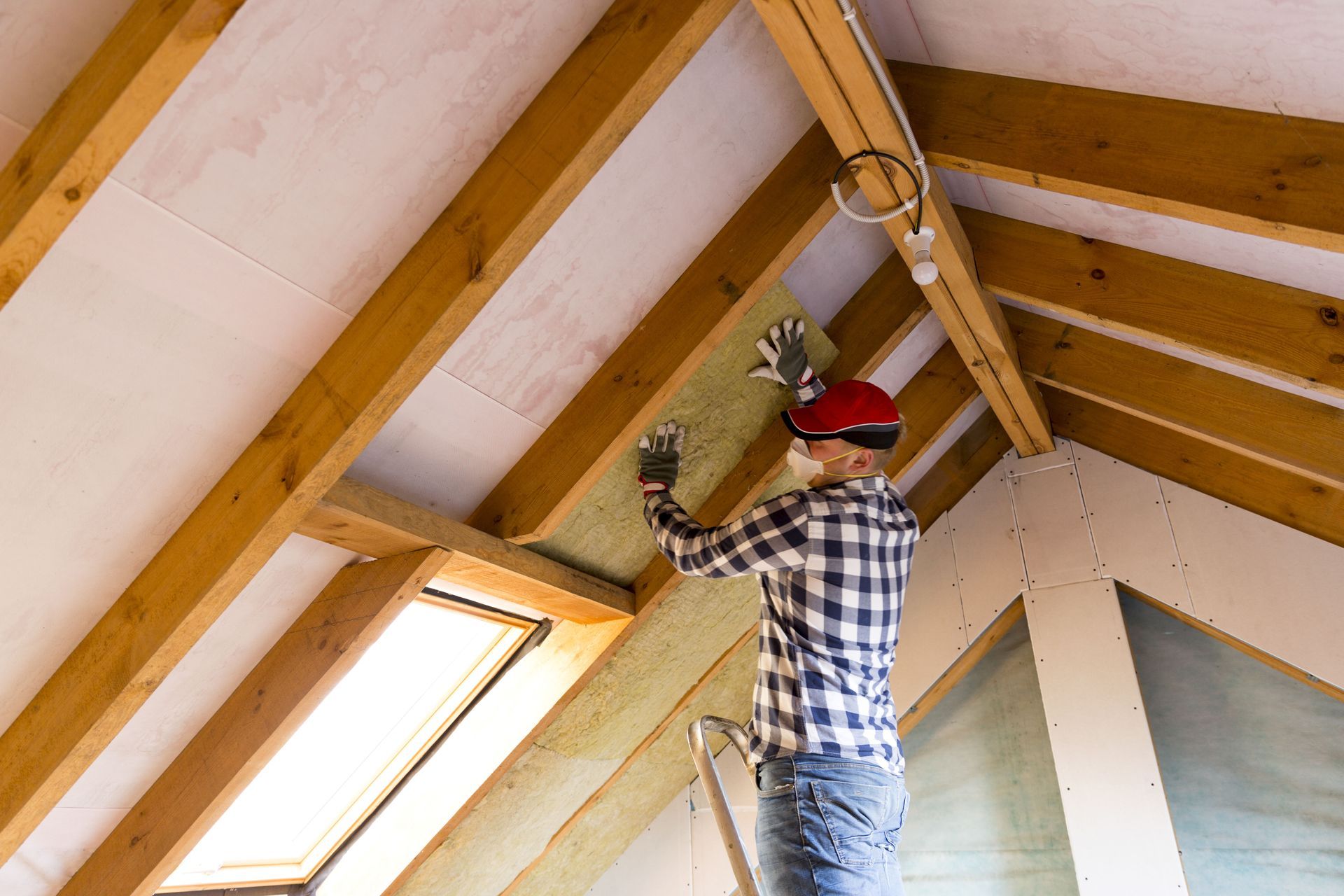
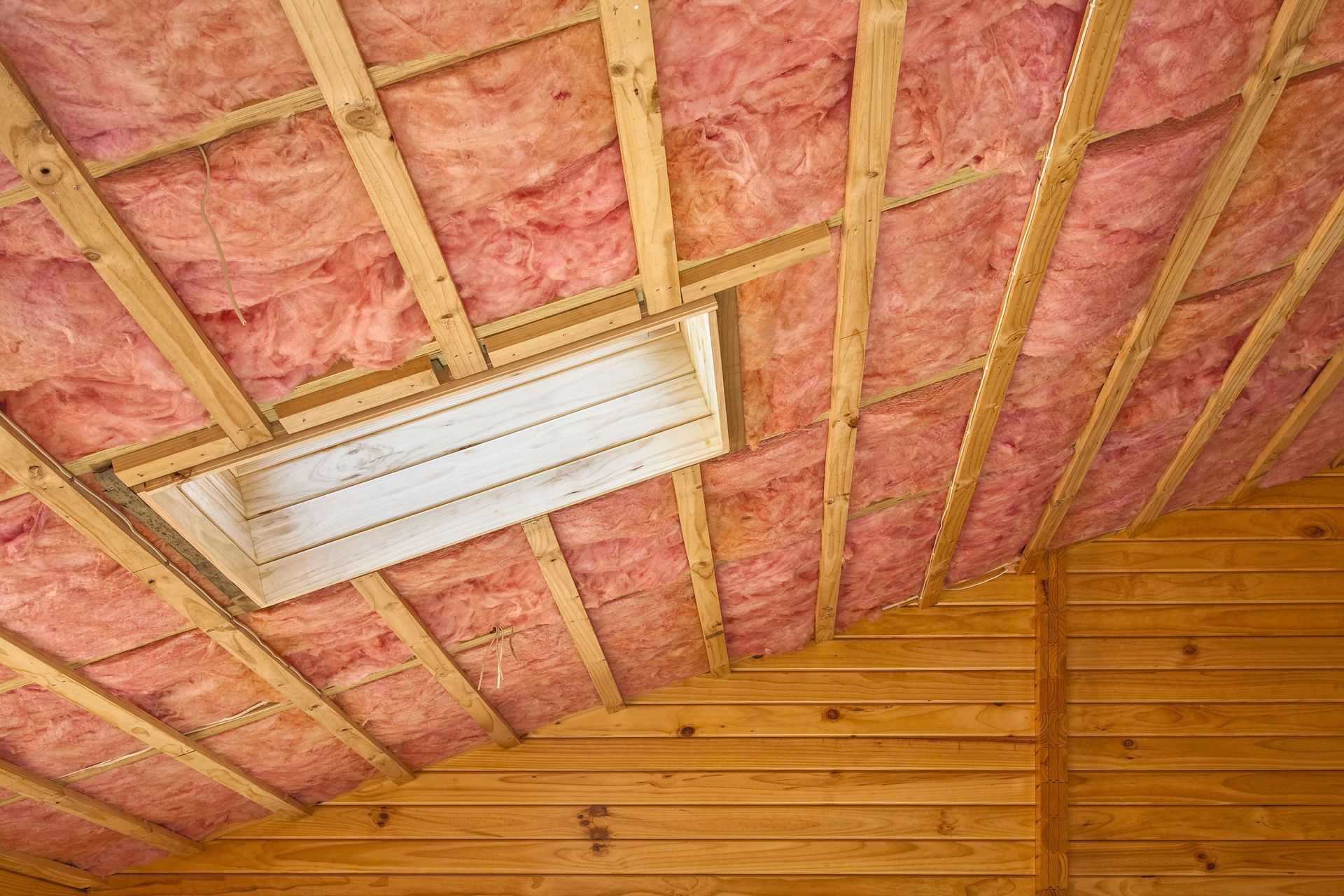
- New attic insulation installation
- Final cleanup and completion photos
This order helps avoid covering up problems. For example, if rodent droppings are present, insulation removal and rodent proofing should happen before new insulation is installed.
What Should Homeowners Avoid When Upgrading Attic Insulation?
Homeowners should avoid treating attic insulation as a simple “add more and move on” project without checking the existing attic condition.
Common mistakes include:
- Adding new insulation over rodent-contaminated insulation
- Ignoring rodent entry points
- Skipping attic air sealing when air leaks are visible
- Covering old debris or odors
- Assuming all old insulation is safe to keep
- Ignoring duct issues or damaged attic components
- Choosing insulation without inspecting the attic first
- Focusing only on price instead of process and preparation
A good attic insulation upgrade should address the reason the attic is underperforming, not just cover the attic floor with more material.
How Does Attic Professional Help San Diego Homeowners Upgrade Their Attics?
Attic Professional helps homeowners throughout San Diego County inspect, clean, restore, and upgrade attic spaces based on the actual condition of the attic.
Depending on your attic, our recommendations may include:
- Attic insulation installation
- Attic insulation removal
- Rodent proofing
- Attic cleaning
- Attic sanitation
- Attic air sealing
- Radiant barrier
- Air duct inspection or repair
- Photo documentation
Some homes only need additional insulation. Others need old insulation removed first because of contamination, rodent damage, moisture, or age. Our goal is to help you understand what your attic needs before the work begins.
Attic Insulation Upgrades Throughout San Diego County
Attic conditions can vary depending on the age, location, and construction of the home.
Coastal homes in La Jolla, Pacific Beach, Encinitas, Carlsbad, and Oceanside may have older attic systems, ventilation concerns, or moisture-related issues. Inland homes in El Cajon, Santee, Lakeside, Poway, Escondido, Spring Valley, and Rancho Bernardo may experience stronger attic heat during warmer months.
Attic Professional serves homeowners throughout San Diego County, including San Diego, Chula Vista, La Mesa, El Cajon, Santee, Lakeside, Poway, Escondido, Encinitas, Carlsbad, Lemon Grove, Spring Valley, National City, Mira Mesa, Rancho Bernardo, Scripps Ranch, Clairemont, Pacific Beach, La Jolla, Carmel Valley, and surrounding communities.
Frequently Asked Questions About Upgrading Attic Insulation in San Diego
How do I know if my attic insulation needs to be upgraded?
Your attic insulation may need to be upgraded if it is thin, compressed, dirty, uneven, contaminated, rodent-damaged, moisture-damaged, or no longer helping your home stay comfortable. Hot upstairs rooms, high energy bills, strong attic odors, or visible rodent droppings are common signs that the attic should be inspected.
Can I add new insulation over old attic insulation?
Sometimes, yes. New insulation may be added over old insulation if the existing insulation is clean, dry, evenly distributed, and not contaminated. If the old insulation has rodent droppings, urine, nesting materials, moisture damage, odors, or heavy debris, insulation removal may be recommended first.
Is attic insulation replacement the same as adding more insulation?
No. Adding more insulation usually means installing additional material over existing insulation. Attic insulation replacement often involves removing old or damaged insulation before installing new insulation. Replacement is commonly recommended when the existing insulation is contaminated, compressed, moisture-damaged, or rodent-damaged.
Should rodent proofing be done before new insulation?
Yes. If there are signs of rodent activity, rodent proofing should be completed before new insulation is installed. Sealing rodent entry points helps protect the new insulation from future contamination.
Does attic air sealing help new insulation work better?
Yes. Attic air sealing can help improve insulation performance by closing gaps where conditioned air may escape into the attic. For many homes, air sealing should be considered before new insulation is installed.
Is radiant barrier worth it for San Diego homes?
Radiant barrier may be useful for certain San Diego homes, especially homes that experience significant attic heat. It is not a replacement for insulation, but it may be helpful as part of a larger attic upgrade depending on the home’s attic condition, roof exposure, ventilation, and comfort goals.
What is included in a complete attic insulation upgrade?
A complete attic insulation upgrade may include attic inspection, photo documentation, old insulation removal, attic cleaning, sanitation, rodent proofing, attic air sealing, radiant barrier, and new insulation installation. The exact scope depends on the condition of the attic.
What areas does Attic Professional service?
Attic Professional provides attic insulation installation, insulation removal, rodent proofing, attic cleaning, sanitation, air sealing, radiant barrier, and attic retrofit services throughout San Diego County, including San Diego, Chula Vista, La Mesa, El Cajon, Santee, Poway, Escondido, Encinitas, Carlsbad, Spring Valley, Lemon Grove, and surrounding communities.
Schedule a Free Attic Inspection in San Diego County
If your attic insulation is old, thin, compressed, contaminated, rodent-damaged, or no longer performing properly, Attic Professional can help.
We provide attic insulation installation, insulation removal, rodent proofing, attic cleaning, sanitation, attic air sealing, radiant barrier, and complete attic upgrade services throughout San Diego County.
Schedule a free attic inspection today and find out whether your attic needs new insulation, insulation removal, rodent proofing, air sealing, or a complete attic upgrade.